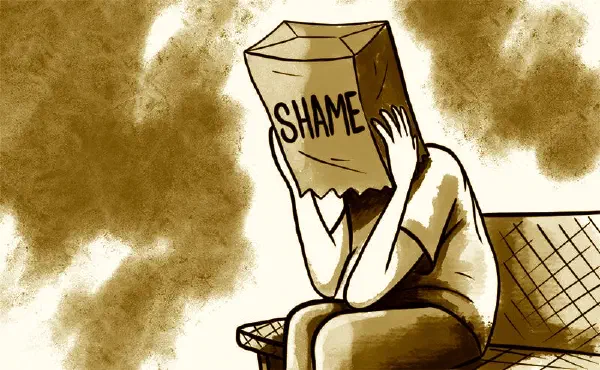
Shame after trauma is often deep and silent pain. About guilt, self-image, recovery, and the forgotten emotion behind PTSD and moral injury.
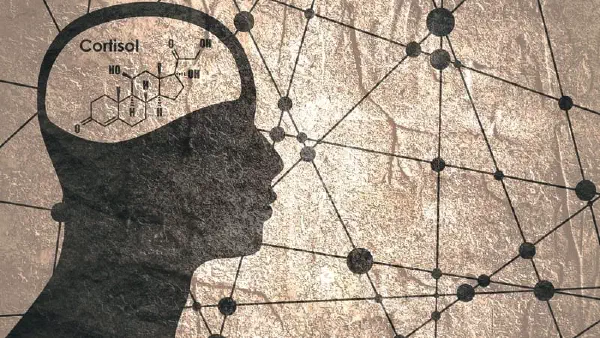
How cortisol works in stress and PTSD. About circadian rhythm, sleep, coffee, blood sugar, measuring stress, and restoring the stress system.
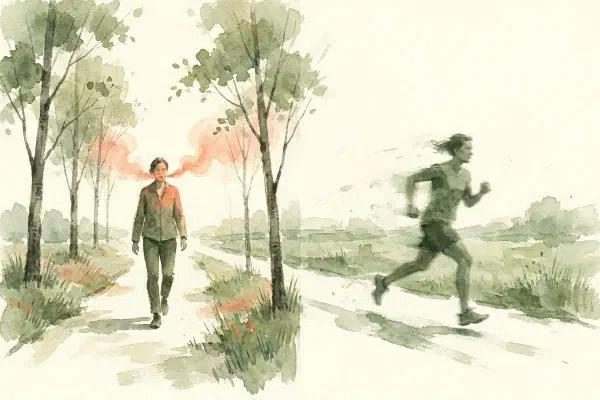
How sports and exercise can help with PTSD and trauma. About regulation, sleep, strength, rowing, boxing, pitfalls, and movement without running away from yourself.
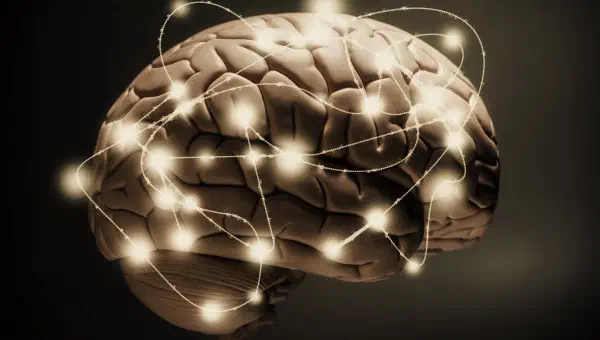
Neuroplasticity in complex PTSD and moral injury: how new experiences and conscious behavior help the brain recover and create space.
What does science say about nutrition and supplements for PTSD? About blood sugar, omega-3, magnesium, sleep, the gut-brain axis, and nervous system recovery.
What does research say about psychedelic-assisted therapy for PTSD? About MDMA, psilocybin, ketamine, risks, legislation, and nuance.
Trauma can fracture your life story. Discover how storytelling, narrative identity, and meaning-making can support recovery after PTSD and moral injury.
An explanation of Stephen Porges’ Polyvagal Theory: ventral, sympathetic, and dorsal vagal states. Including links to PTSD, moral injury, mystical traditions, and practical nervous system exercises.
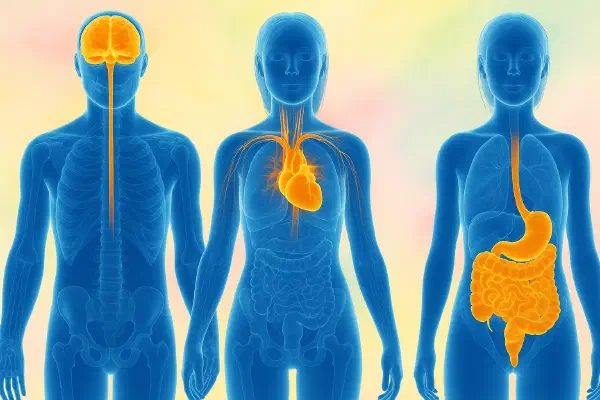
Discover how head, heart, and gut work together in stress, PTSD, and recovery. A practical model for greater inner balance and self-regulation.
Grief in PTSD and moral injury is often about the loss of identity, trust, and direction. About recovery, rhythm, the body, and meaning.