

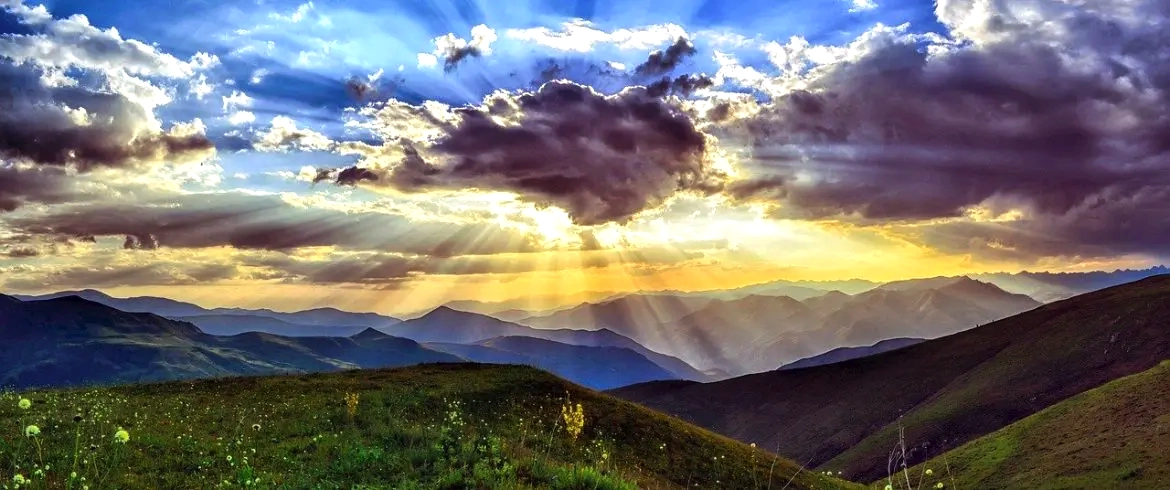
Sometimes calm does not work indoors, but it does outside. A path, trees, water, wind, or open air can do something that words do not immediately reach. The body settles. Vision widens. Breathing becomes freer.
That is not vague or mystical. Many people experience that nature helps regulate the nervous system.
Why nature helps with trauma and stress#
Nature often offers exactly what an overloaded system needs:
- fewer artificial stimuli
- predictable rhythms
- gentle sensory input
- space to move
- attention without performance
- a sense of perspective
The nervous system and being outside#
Being outdoors often invites broader awareness. Not only the problem, but also horizon, sky, smell, and movement come into view. That can help people come out of narrowed attention.
Many people notice:
- less rumination while walking
- deeper breathing
- less muscle tension
- improved mood
- greater resilience
Practical forms of nature-based recovery#
1. Daily recovery walk#
Walk for 20 minutes without goals or performance pressure.
2. Sit spot#
Sit regularly in the same place and observe what changes.
3. Seek out water#
River, sea, rain, or canal. Water has a regulating effect for many people.
4. Work with the seasons#
Notice what resonates in you during winter, spring, summer, and autumn.
5. Grounding through the senses#
Name five things you see, four you feel, three you hear.
Nature is not a replacement for treatment#
Nature is not a miracle cure. But it can be a powerful ally alongside therapy, breathwork, rhythm, and support from others.
Bridge toward silence#
What nature often offers is not only fresh air or movement. It also offers a form of silence.
Read also: Silence in PTSD
Conclusion#
Sometimes recovery does not ask for more words, but for a path beneath your feet and air in your lungs. Being outside does not solve everything. But it reminds many people that the system can settle, that attention can widen, and that life is still moving.