What is the difference between PTSD, CPTSD and Moral Injury?
What is the difference between PTSD, CPTSD and moral injury? On fear, guilt, shame and the restoration of the stress and conscience system.
Read moreWhat is the difference between PTSD, CPTSD and moral injury? On fear, guilt, shame and the restoration of the stress and conscience system.
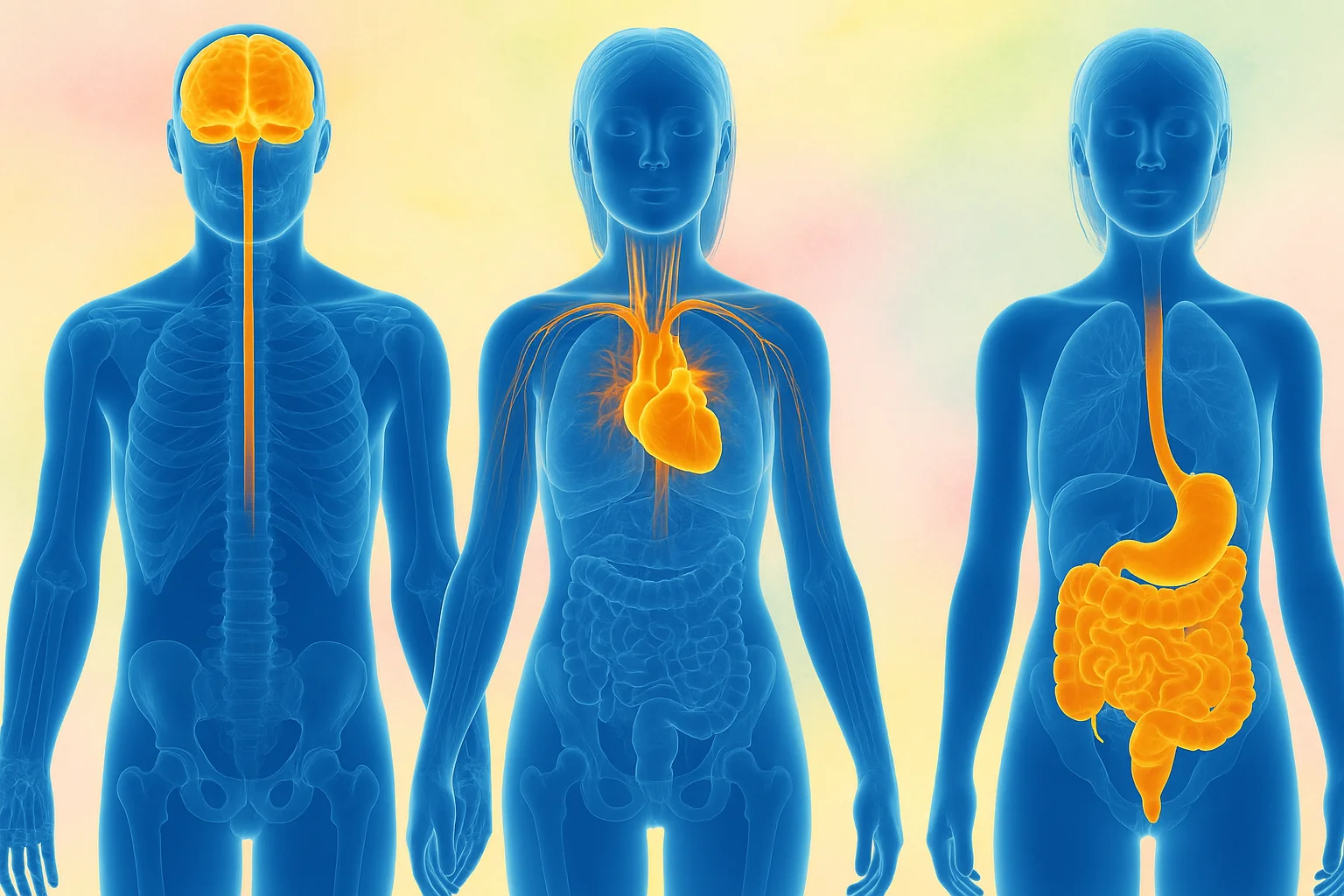
Read moreDiscover how head, heart, and gut work together in stress, PTSD, and recovery. A practical model for greater inner balance and self-regulation.
Read moreIn PTSD and moral injury, trauma lives not only in the mind but also in the body. On body memory, regulation and recovery through the nervous system.
Read moreThe Law of Four from Gurdjieff's Fourth Way explains how perception and reaction move through body, emotion and thought — and what trauma breaks in that cycle.
Read moreWhat is post-traumatic growth? On PTSD, moral injury, compassion, meaning and how a person sometimes changes after disruption.
Read moreOverview of body-oriented therapies for PTSD and moral injury: Somatic Experiencing, Sensorimotor Psychotherapy, trauma-sensitive yoga, TRE, haptotherapy, Feldenkrais, bioenergetics, massage, equine-assisted therapy, and Pesso Boyden — including personal experience.
Read moreAn explanation of Stephen Porges’ Polyvagal Theory: ventral, sympathetic, and dorsal vagal states. Including links to PTSD, moral injury, mystical traditions, and practical nervous system exercises.
Read moreNeuroplasticity in complex PTSD and moral injury: how new experiences and conscious behavior help the brain recover and create space.
Read moreA stable daily rhythm helps with PTSD and chronic stress. About sleep, cortisol, light, movement, and how structure stabilizes the nervous system.
Read moreBreathing in PTSD helps regulate the nervous system. Discover biofeedback, HRV, the vagus nerve, practical exercises, and recovery after trauma.
Read moreSilence can help with PTSD, overstimulation, and stress. About nervous system regulation, stillness, practical exercises, and inner calm.
Read moreRumi as a source of inspiration for PTSD and Moral Injury. About poetry, rhythm, connection, and restoring meaning alongside therapy.
Read moreFrancis of Assisi as a source of inspiration for PTSD and Moral Injury. About simplicity, compassion, and restoring meaning alongside therapy.
Read moreTrauma can fracture your life story. Discover how storytelling, narrative identity, and meaning-making can support recovery after PTSD and moral injury.
Read moreCandace Pert showed how emotions and the body are deeply interconnected. About neuropeptides, trauma, body memory, and why the body often knows before the mind does.
Read moreAbout sleep, nightmares, PTSD, and moral injury. About recovery, dreams, the nervous system, and the meaning of sleep through both science and mysticism.
Read moreTransgenerational trauma in PTSD and moral injury. Three lenses on inner division: epigenetics (Wolynn, Yehuda), systemic work (Hellinger), and the many selves from the Fourth Way.
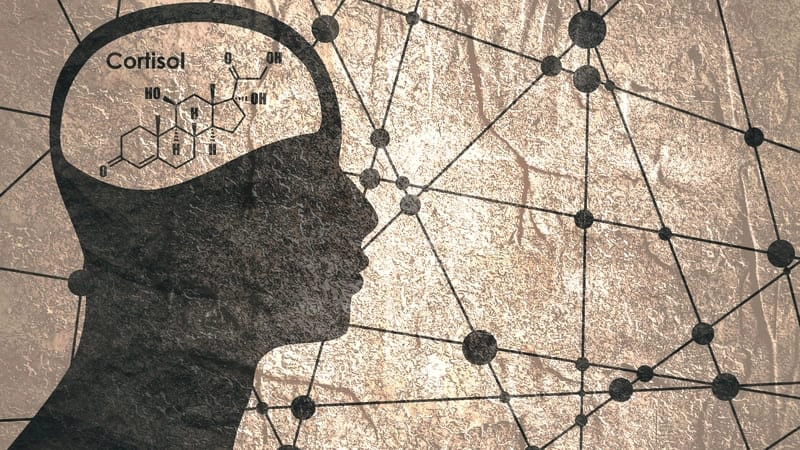
Read moreHow cortisol works in stress and PTSD. About circadian rhythm, sleep, coffee, blood sugar, measuring stress, and restoring the stress system.
Read moreGrief in PTSD and moral injury is often about the loss of identity, trust, and direction. About recovery, rhythm, the body, and meaning.
Read moreWords influence stress, self-image, and recovery. Discover how language works in PTSD, moral injury, and inner dialogue after trauma.
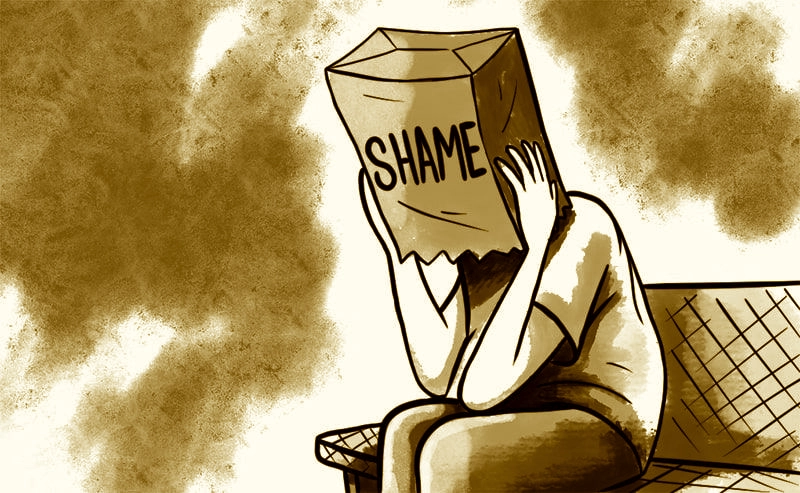
Read moreShame after trauma is often deep and silent pain. About guilt, self-image, recovery, and the forgotten emotion behind PTSD and moral injury.
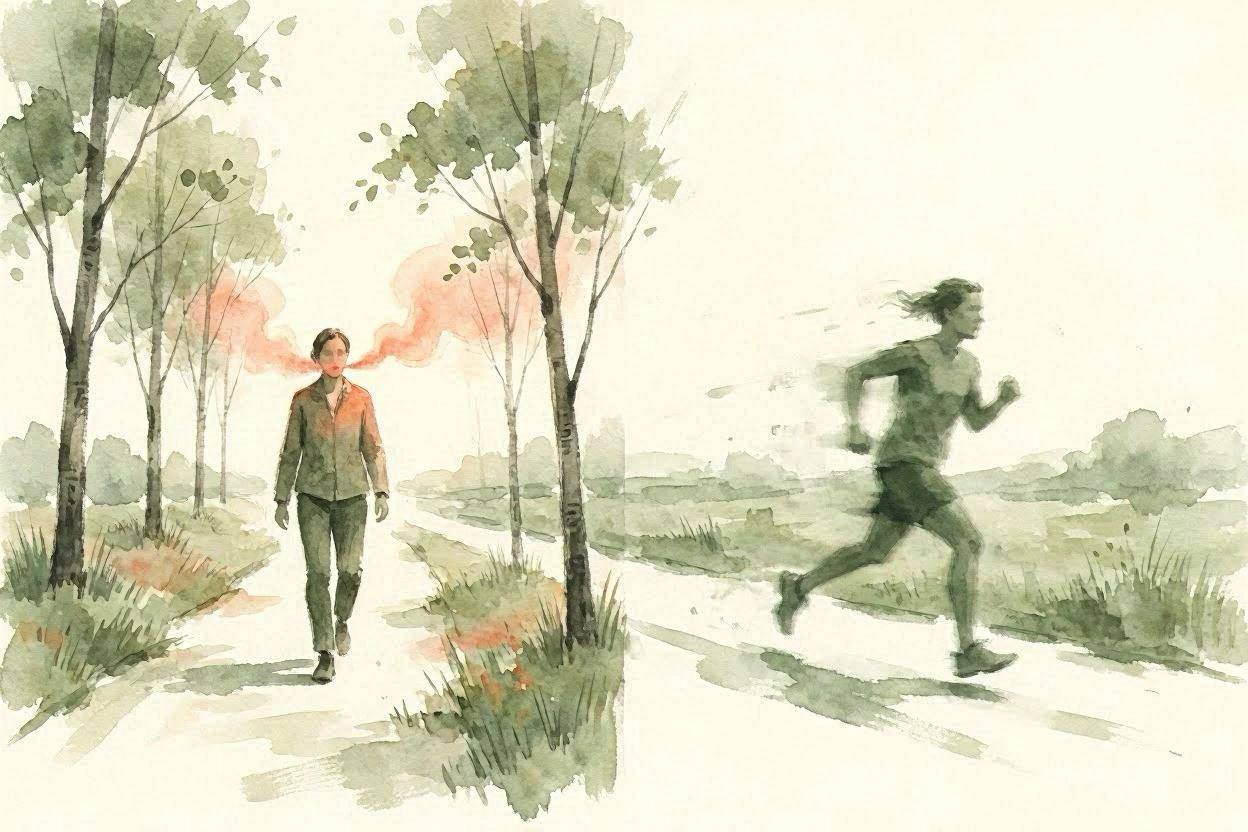
Read moreNature helps with PTSD and stress. About walking, grounding, rhythm, co-regulation, and why being outside supports the nervous system.
Read moreHow sports and exercise can help with PTSD and trauma. About regulation, sleep, strength, rowing, boxing, pitfalls, and movement without running away from yourself.
Read moreWhat does science say about nutrition and supplements for PTSD? About blood sugar, omega-3, magnesium, sleep, the gut-brain axis, and nervous system recovery.
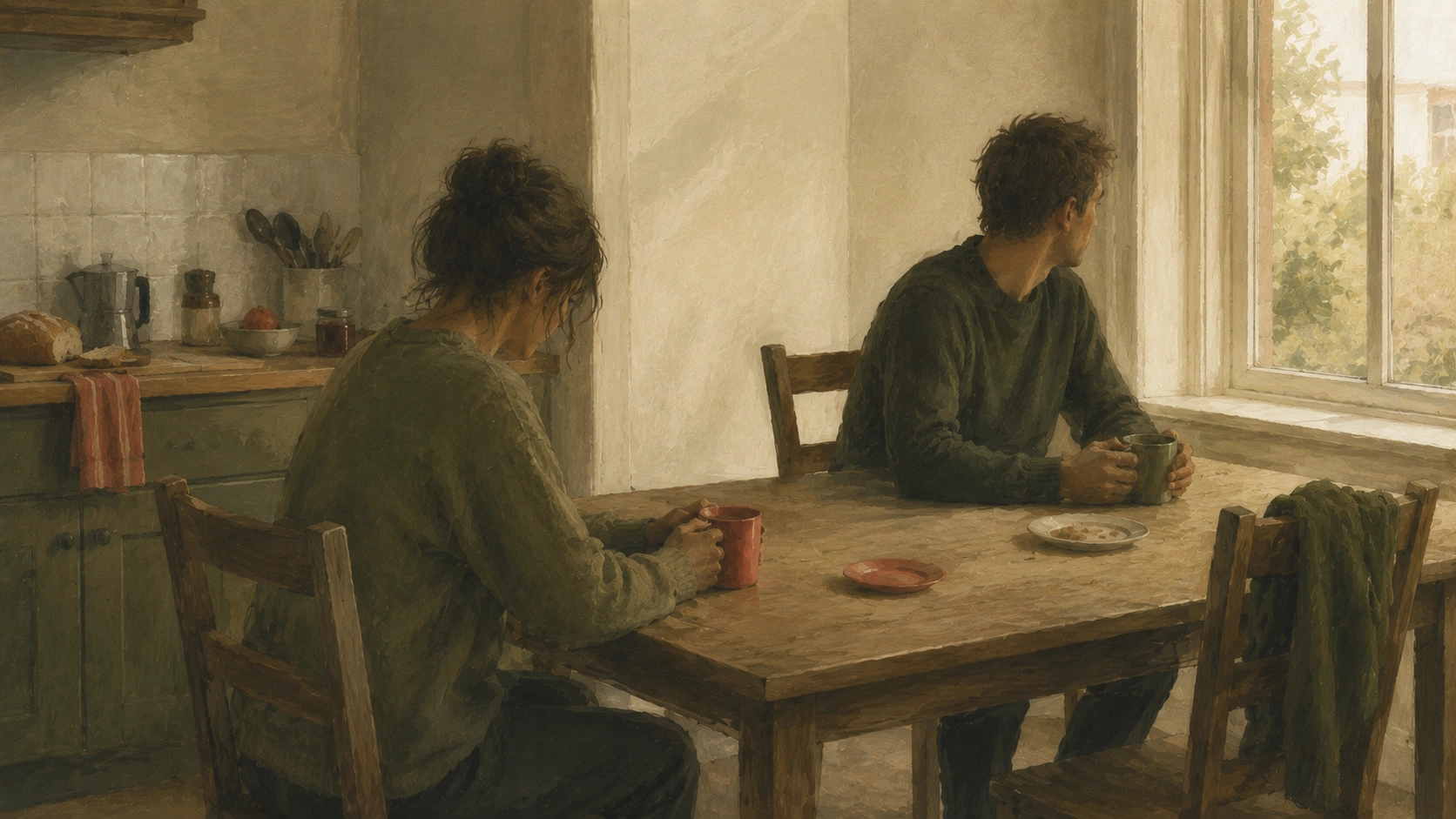
Read moreThe role of partners and family in PTSD and moral injury. About support, co-regulation, walking on eggshells, boundaries, and secondary traumatization.
Read moreWhat does research say about psychedelic-assisted therapy for PTSD? About MDMA, psilocybin, ketamine, risks, legislation, and nuance.
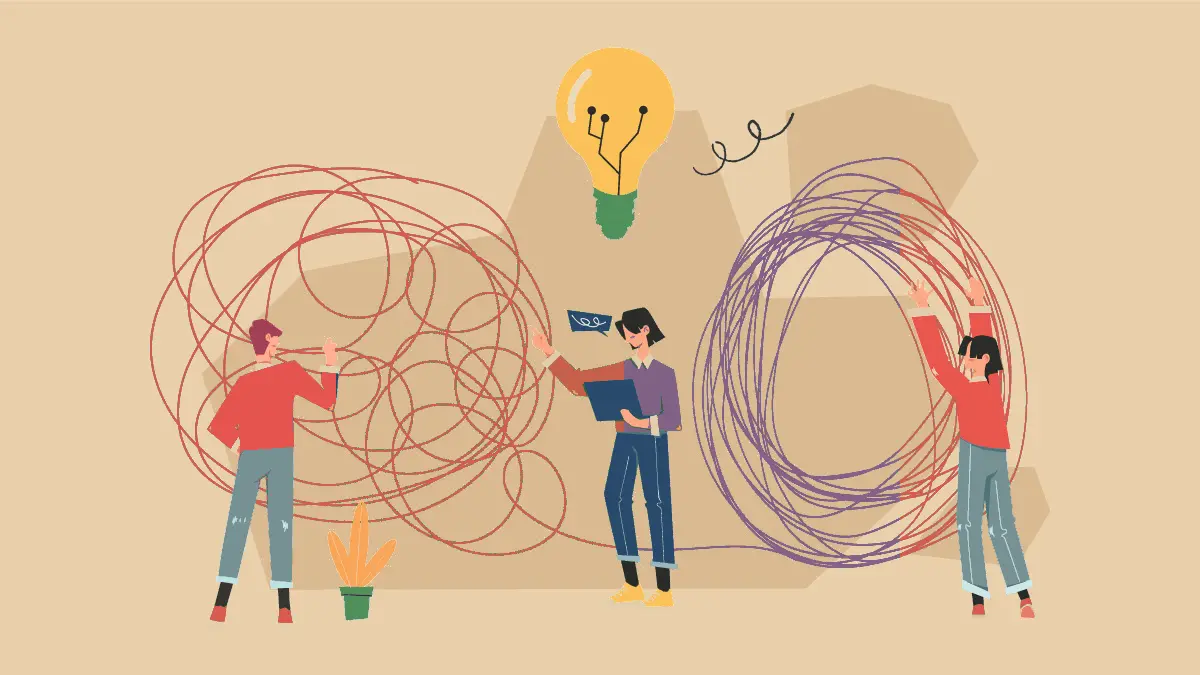
Read moreA deep dive into three systems that don't know each other, yet describe the same mechanism: TRIZ, the Fourth Way, and Moral Injury.
Read more